How Chess Improves Your Child's Concentration and Focus
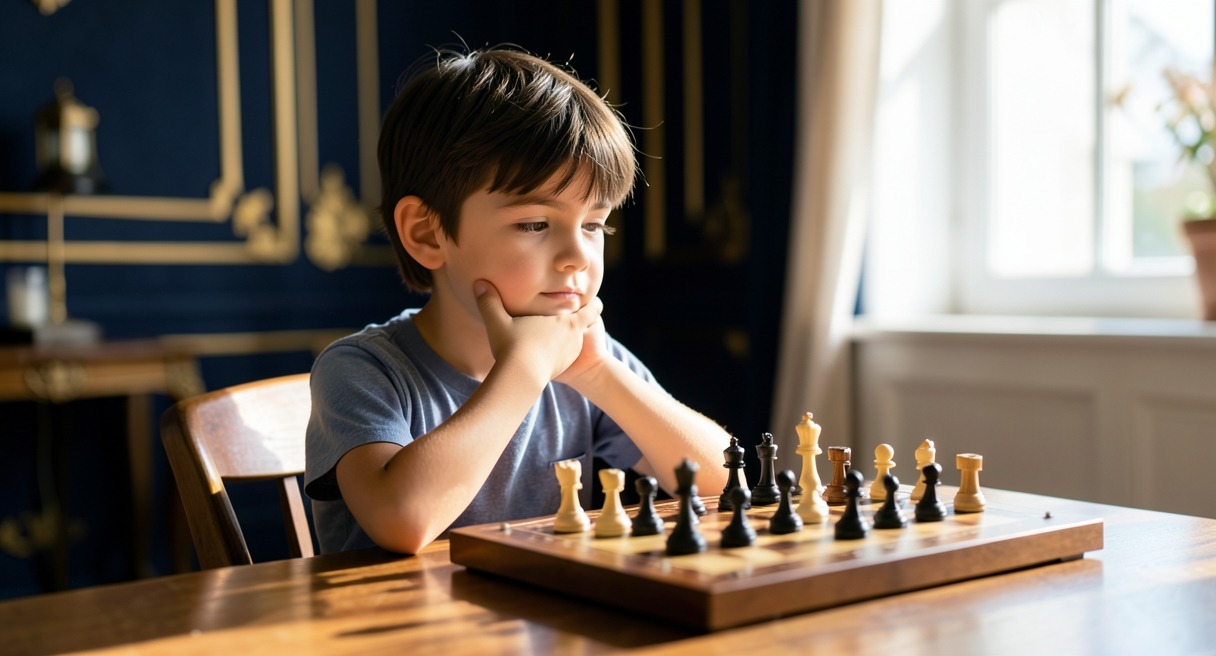
The Modern Focus Challenge for Children
In today's fast-paced digital world, helping your child stay focused can feel like an uphill battle. With smartphones, tablets, and streaming platforms constantly competing for their attention, many parents notice that children struggle to concentrate on a single task for more than a few minutes. Whether it is completing homework, reading a book, or simply listening to instructions, maintaining focus is a vital skill that requires regular practice. While it is tempting to look for quick fixes, building deep concentration is a gradual process that is best nurtured through engaging, screen-free activities.
Chess offers a structured, screen-free alternative that naturally encourages children to slow down, analyze, and focus. Unlike passive entertainment, which delivers instant gratification with minimal effort, chess demands active mental participation. It is not about memorizing dry rules; it is about engaging in a dynamic, interactive puzzle where every decision matters. By introducing your child to chess, you are providing them with a fun and practical way to train their attention span, helping them develop habits that will serve them well both inside and outside the classroom.
How Chess Naturally Trains the Attention Span
Unlike video games that rely on rapid visual cuts and flashing lights to hold a child's interest, chess requires internal motivation and deliberate thought. In a chess game, every single move has a direct, visible consequence. If a player loses focus even for a brief moment, they might leave a valuable piece unprotected or miss an opportunity to capture an opponent's piece. This immediate feedback loop teaches children that concentration has a direct, positive outcome, while distraction leads to immediate challenges on the board.
In chess, coaches often talk about calculation. This term simply refers to the process of thinking several moves ahead. When calculating, a child must imagine where a piece will go, how their opponent might respond, and what the board will look like after those moves are made. For a child, this mental exercise is like a workout for their attention span. They must hold a visual image of the board in their mind and focus on multiple possibilities at once. This active engagement helps stretch their ability to concentrate for longer periods. Over time, a child who initially struggled to sit still for ten minutes may find themselves deeply engrossed in a thirty-minute chess game, completely oblivious to outside distractions.
Practical Chess Habits That Build Real-World Focus
Chess is not just about moving wooden pieces on a board; it is a series of structured habits that translate directly into daily life. By practicing these habits regularly, children learn how to manage their attention and approach problems with a calm, methodical mindset. Here are some of the key focus-building habits that children develop through regular chess practice:

- The "Touch-Move" Rule: In official chess, if a player touches a piece, they must move it. This rule teaches children to think before they act. It discourages impulsive behavior and encourages them to focus entirely on their strategy before making a physical commitment.
- Analyzing the Whole Board: Beginners often suffer from "tunnel vision," focusing only on their own pieces and immediate plans. As they learn, they are trained to look at the entire board. This habit of scanning the whole environment teaches them to look at the bigger picture, a skill that is highly useful in school and problem-solving.
- Managing the Chess Clock: Using a timer teaches children how to allocate their concentration. They learn when to slow down and think deeply about a complex position, and when to make quicker decisions. This balance of deep focus and time management is incredibly valuable for school exams.
- Learning from Blunders: In chess, a "blunder" is a major mistake. Instead of getting frustrated, chess players are taught to analyze their games to see where things went wrong. This requires a high level of reflective focus, helping children learn how to calmly evaluate their mistakes and improve.
Translating Chess Concentration Into Academic Success
The focus habits built over the chessboard do not stay on the board. Parents frequently report seeing these skills carry over into their child's schoolwork and daily routines. When a child learns how to concentrate on a complex chess position, they are training the same mental muscles needed to solve a multi-step math problem, write an essay, or read a challenging chapter in a textbook.
For instance, the patience required to calculate chess moves helps children approach academic challenges with a calmer mindset. Instead of rushing through their homework and making careless errors, they learn to pause, review their work, and consider alternative solutions. Furthermore, chess teaches children how to handle distractions. In a classroom environment, there will always be background noise and interruptions. Because chess players must maintain focus despite their opponent's movements or ambient sounds, they develop a natural resilience to external distractions, allowing them to stay on task longer and complete their work with greater accuracy.
How to Get Your Child Started Without Overwhelming Them
If you want to use chess to help your child build focus, the key is to make the learning process enjoyable and stress-free. Forcing a child to sit through long, dry lectures about chess theory will likely have the opposite effect, causing them to lose interest quickly. Instead, focus on keeping the experience interactive, positive, and tailored to their developmental stage. Here are some practical steps to introduce chess in a supportive way:
- Start with Mini-Games: You do not have to use all thirty-two pieces right away. Start with simple games, like using only pawns to see who can reach the other side first. This keeps the focus demands low and manageable for younger children while teaching them the basic mechanics of piece movement.
- Keep Practice Sessions Short: For children aged 6 to 10, fifteen to twenty minutes of focused play or learning is plenty. It is much better to have a highly focused, short session than an hour of distracted play that leaves the child feeling frustrated.
- Focus on Effort, Not Just Winning: Praise your child when they spot a good move, protect an endangered piece, or concentrate deeply, regardless of whether they win or lose the game. This builds a positive association with the act of focusing and encourages a growth mindset.
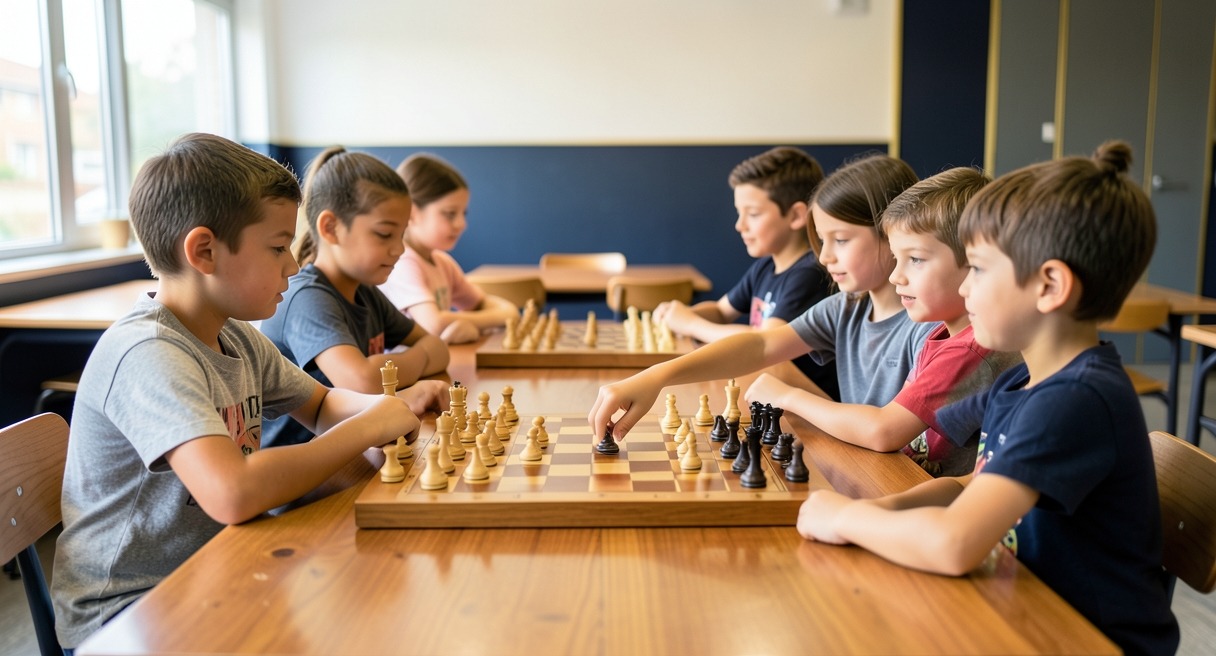
- Learn from Friendly Experts: Having a structured environment with a coach can make a massive difference. Professional coaches know how to break down complex rules into engaging, bite-sized lessons that keep children excited, attentive, and motivated to learn.
Conclusion: Building Lifelong Focus One Move at a Time
Developing strong concentration is one of the greatest gifts you can give your child in our distraction-filled world. Chess provides a fun, engaging, and highly effective way to build this essential skill. By teaching children to slow down, think ahead, and embrace challenges, chess helps them build practical habits that support their academic journey and personal growth. At Brain Chess Academy, our FIDE-rated coaches specialize in making chess exciting and accessible for children and beginners. We focus on building confidence, patience, and concentration in a supportive online environment. Ready to see how chess can help your child develop deep, lasting focus? Book a free demo class today at brainchessacademy.com and take the first step toward building lifelong learning habits.
Leave a Comment
Your email will not be published. All comments are moderated before appearing.