Why Chess is the Ultimate Game for Your Child's Development
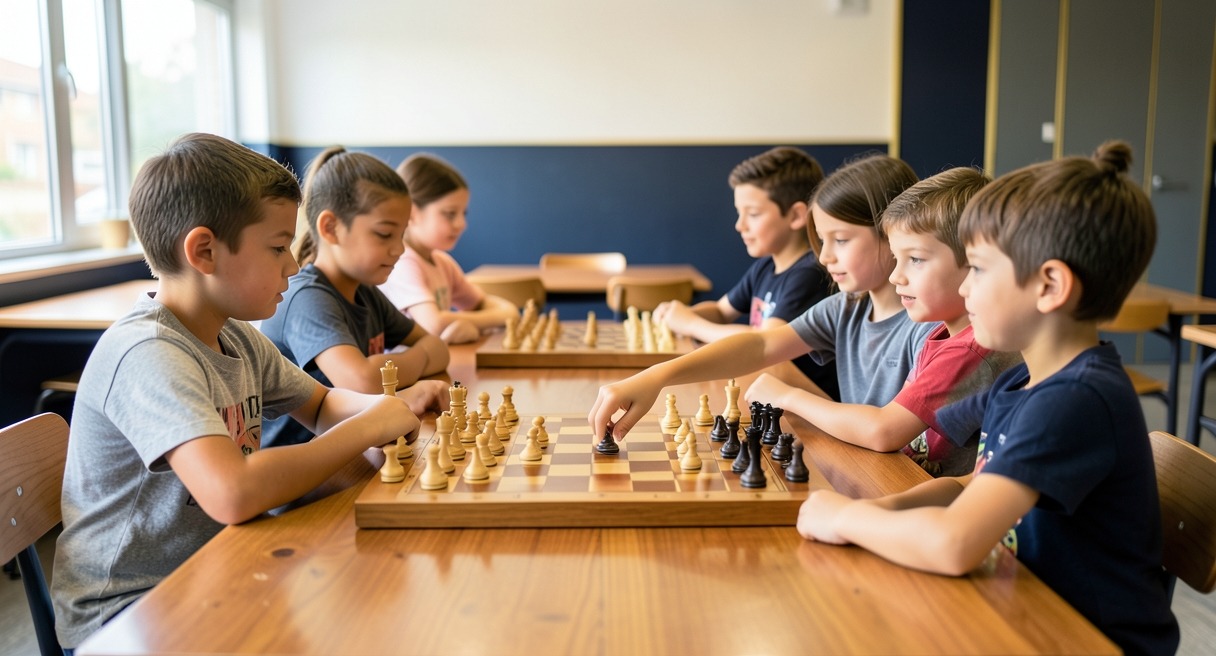
The Timeless Appeal of Chess for Kids
Have you ever watched your child become completely absorbed in a game, their eyes darting across the board as they contemplate their next move? Chess is far more than just a pastime; it is a profound mental exercise that challenges young minds to think ahead and consider the consequences of their actions. At Brain Chess Academy, we see firsthand how this ancient game transforms a child’s approach to problem-solving. By introducing your child to chess, you are providing them with a toolkit for life that extends far beyond the sixty-four squares of the board.
Building Essential Life Skills Through Strategy
Chess is often described as a language of logic. When children play, they are not just moving pieces; they are engaging in a complex process of decision-making. Every move requires a child to analyze the current state of the board and predict the opponent's potential response. This practice helps children develop:
- Patience: Learning that rushing a move often leads to mistakes, while taking time to evaluate options leads to better outcomes.
- Critical Thinking: Breaking down complex problems into manageable steps to reach a goal.
- Resilience: Understanding that losing a game is not a failure, but a valuable opportunity to learn and improve.
- Focus: Developing the ability to concentrate on a single task for an extended period, which is a vital skill for academic success.
By encouraging your child to think before they act, you are helping them build the mental discipline necessary for success in school and beyond.
How Chess Encourages Healthy Social Interaction
One of the most rewarding aspects of chess is its unique ability to bring children together in a respectful, intellectual environment. Unlike fast-paced digital games that often isolate players, chess requires face-to-face interaction. Even in an online setting, our students learn to communicate their moves, discuss strategies, and offer congratulations after a game. This social component teaches children the importance of good sportsmanship and mutual respect. They learn to value their opponent as a partner in the game, someone who helps them test their own limits and improve their skills. In our classes, we foster a community where every child feels supported, regardless of their current skill level.
The Role of Expert Coaching in Early Development

While children can certainly learn the basics of chess on their own, the guidance of a FIDE-rated coach makes a world of difference. A professional coach provides structured learning, ensuring that children understand the nuances of the game without feeling overwhelmed. At Brain Chess Academy, our coaches break down complex concepts into simple, actionable lessons. They teach children how to control the center of the board, how to protect their pieces, and how to plan for the endgame. Having an expert mentor helps children avoid bad habits early on and keeps them motivated as they encounter new challenges. Our coaches are trained to explain chess terminology clearly, ensuring that every student feels confident and capable as they progress through their learning journey.
Making Chess a Part of Your Child’s Routine
Integrating chess into your child's weekly schedule does not need to be a chore. In fact, most children find the game so engaging that they look forward to their practice sessions. Consistency is key to improvement, but it is equally important to keep the experience fun and pressure-free. We recommend setting aside dedicated time for practice, whether through a quick game or a short lesson. By making chess a consistent part of their routine, you provide your child with a stable environment where they can safely explore their creativity and strategic thinking. Remember, the goal is to nurture a lifelong love for learning, not just to win every match.
Conclusion: Start Their Chess Journey Today
Choosing an extracurricular activity for your child is a big decision, and we believe that chess offers unique benefits that support both intellectual growth and character development. From learning to manage time to developing the confidence to tackle difficult challenges, the lessons learned on the chessboard are truly universal. If you are ready to see how your child can benefit from the guidance of our expert FIDE-rated coaches, we invite you to take the first step today. Visit brainchessacademy.com to book your free demo class and see firsthand why so many families trust us to guide their children's chess education. We look forward to welcoming your young learner to our academy.

Leave a Comment
Your email will not be published. All comments are moderated before appearing.